“Boutique” Living: When Value Goes Beyond Numbers
24.08.2026

From intimate boutiques with distinct personalities across Europe to real estate developments centered on privacy and depth of experience, “boutique” is far more than a concept defined by a smaller scale.

It is a philosophy of curation – fewer in number, so more can be invested in quality. In Ho Chi Minh City’s western district, The Westique Residences brings this philosophy to life with a limited collection of just 99 residences.

From Small Scale to a Philosophy of Curation

In French, boutique originally referred to a shop – typically small in scale and specialized in its offerings. Historical references trace the term back centuries, when it described a place where merchants or artisans displayed and sold their goods. By the 20th century, “boutique” had increasingly become associated with small fashion stores distinguished by their unique style and tailored to a specific clientele.
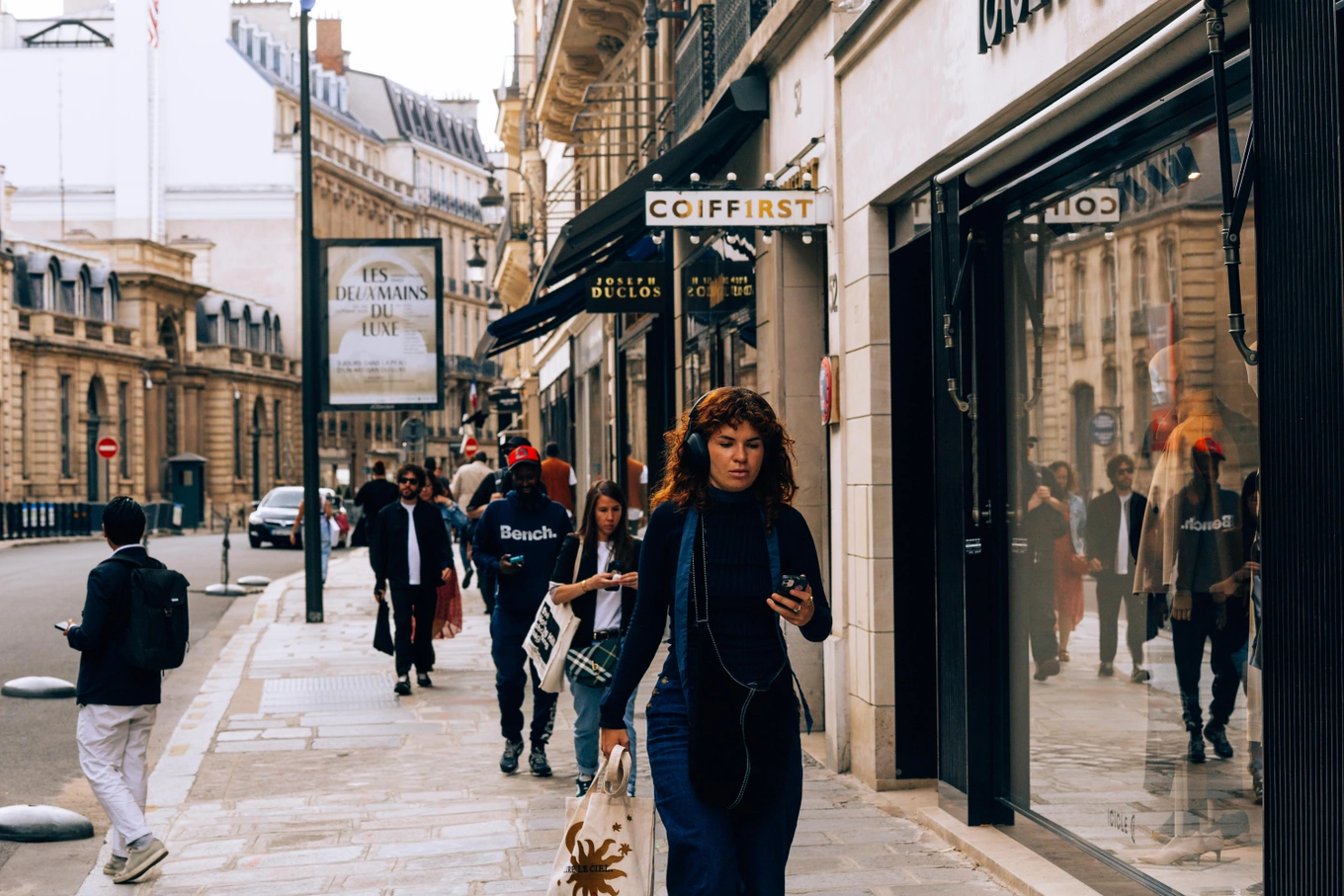
In French, boutique was originally used to refer to a shop – typically small in scale and specialized in its offerings.

A boutique typically draws its appeal from the distinct character of its products, the curation of its offerings, the aesthetics of its space, and the experience it creates for customers. Its limited scale allows creators to focus more deeply on detail, consistency, individuality, and a sense of exclusivity.

This philosophy later extended into hospitality, giving rise to a new approach to hotel operations. The boutique model places greater emphasis on distinctive identity, personalization, and the overall guest experience.

When Boutique Hotels Redefined the Meaning of Luxury

In 1984, Morgans Hotel in New York, developed by Ian Schrager and Steve Rubell and designed by Andrée Putman, was regarded as one of the pioneering projects that shaped the modern concept of the “boutique hotel” — a small-scale hotel model. Rather than competing with major hotel chains through room count or grandeur, the model created a distinctly individual experience: distinctive design, an intimate scale, and an atmosphere that made guests feel they were staying somewhere with its own identity, rather than in a standardized hotel product that could be replicated from one city to another. This philosophy would go on to become a defining characteristic of boutique hotels.

When “Boutique” Entered Real Estate

In real estate, there is no universally recognized international standard defining a specific number of residences required for a project to be considered a “boutique residence.” However, as the market uses the term, boutique developments tend to share several characteristics: a limited resident population, lower density, distinctive design, a high degree of privacy, and curated experiences rather than an emphasis on the sheer number of amenities. These qualities help distinguish a project that simply has “fewer units” from one that genuinely embodies the spirit of Boutique Living. Boutique only becomes meaningful when a limited number of residences is translated into tangible value for the people who live there.

Across many high-end markets, this approach has become an increasingly distinct part of luxury real estate. Smaller-scale developments often leverage lower resident density, distinctive design, and privacy as their key advantages, rather than competing through an overwhelming array of amenities or mass-market scale. Today, boutique developments in markets such as Thailand and the United States emphasize exclusivity as an integral part of the living experience – not merely as a tool for creating scarcity.

The Westique Residences: Bringing Boutique Living to Ho Chi Minh City’s Western District

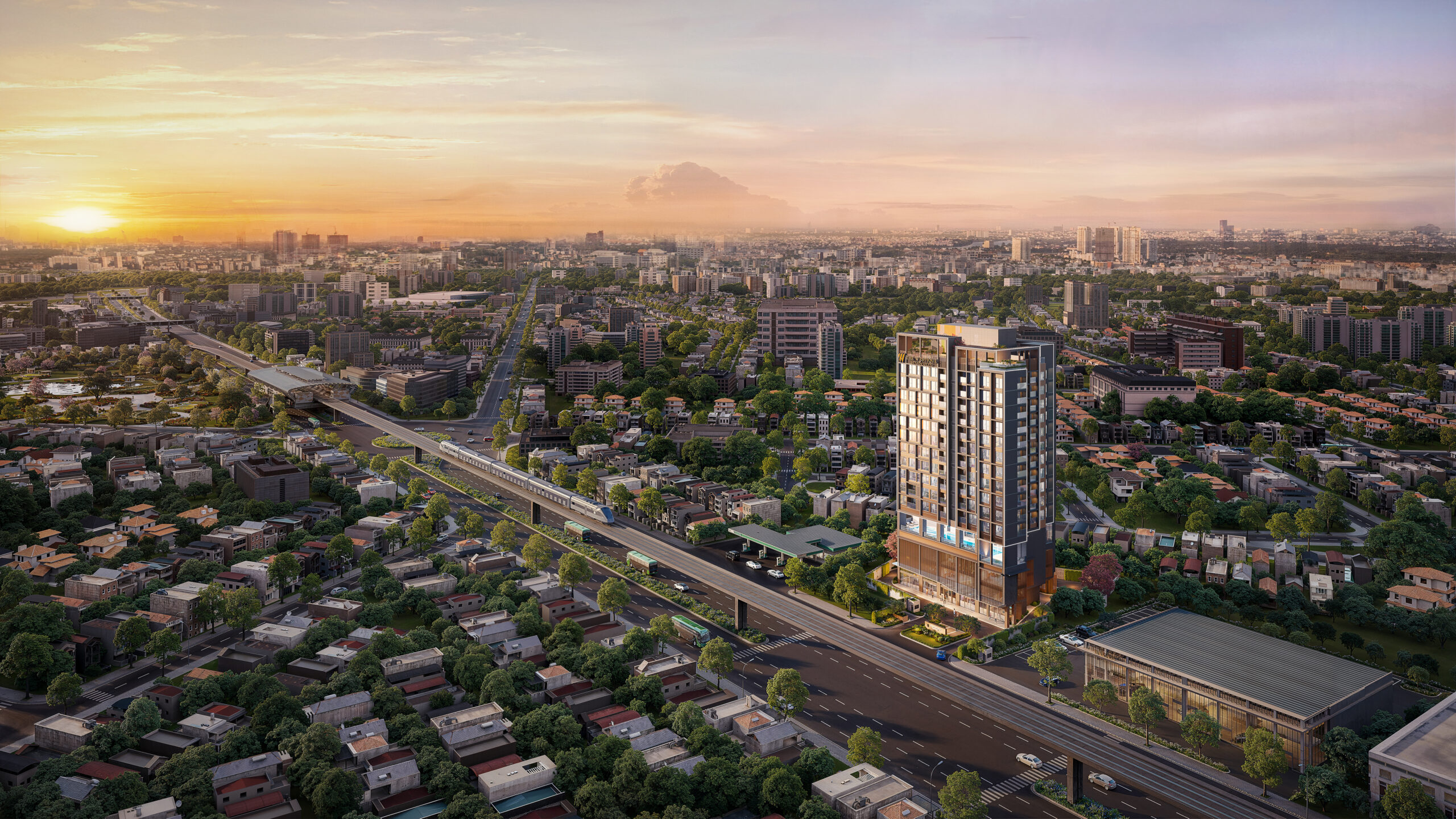
Rather than developing a project with hundreds or thousands of residences, The Westique Residences is limited to just 99 residences along Kinh Duong Vuong Boulevard — one of the key transport corridors at the western gateway of Ho Chi Minh City. Here, the number 99 is not simply a message of scarcity. It serves as the foundation for a more selective residential community and a living experience shaped by a more balanced density.

The Westique Residences – Project Rendering

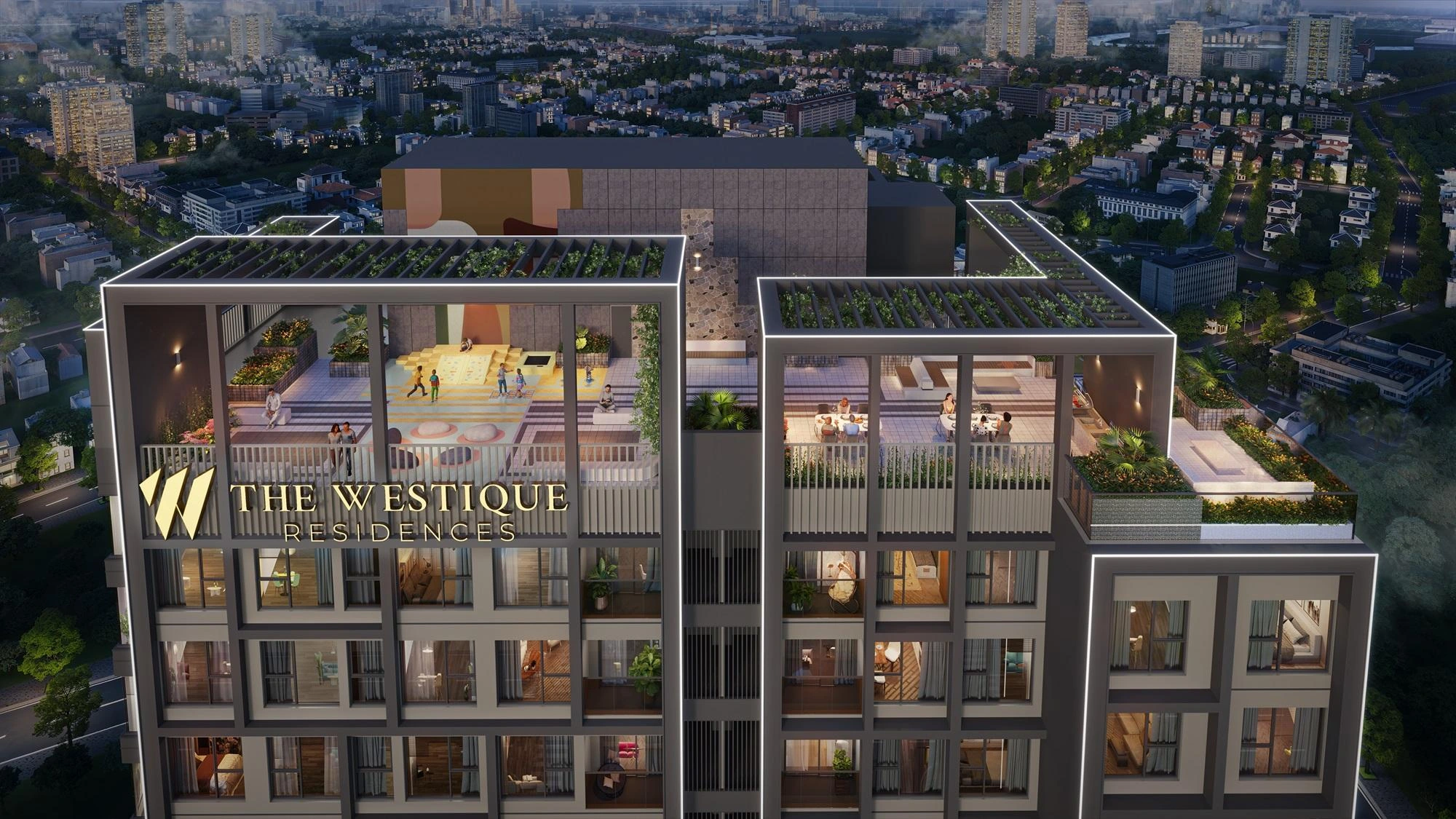
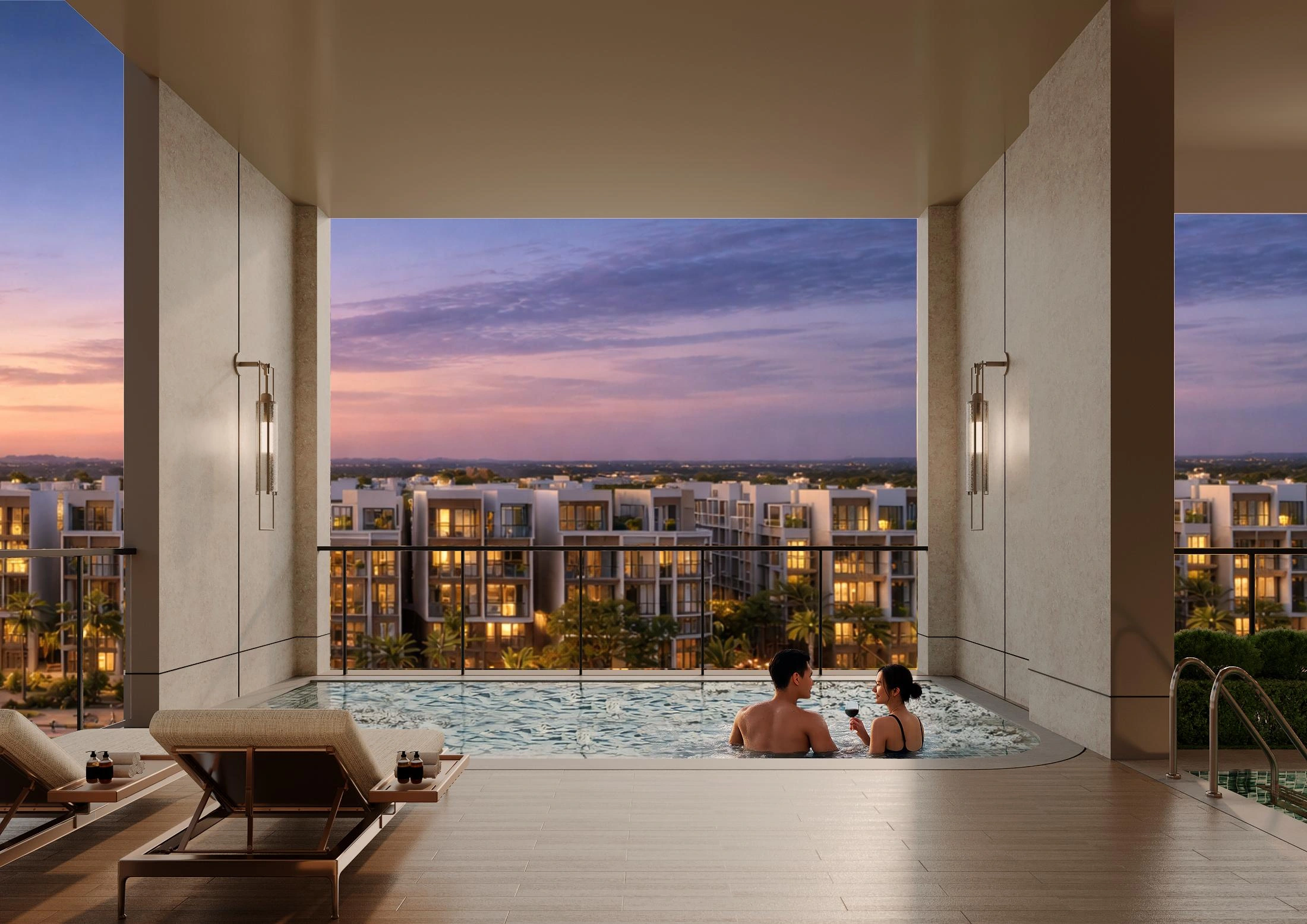
The Boutique philosophy is further reflected in the way the project’s shared spaces and amenities are thoughtfully curated. The Westique Residences focuses on experiences that naturally integrate into everyday life, including a saltwater infinity pool, jacuzzi, gym & yoga studio, creative kids’ play area, community room, and a Sky Park on the rooftop.

The Westique Residences – Where the “Boutique” philosophy comes to life through modern architecture, balancing aesthetics with an authentic living experience.

Even the architectural design and living spaces are developed around this philosophy, with renowned international design firms such as AI PlanetWorks (USA) and Ong & Ong (Singapore) contributing their expertise. Every detail is meticulously considered — from proportions, materials, and lighting to spatial planning – to create a balance between aesthetic appeal and the reality of everyday living.

In a market where buyers are becoming increasingly discerning, “premium” no longer simply means expensive materials or a long list of amenities. True value increasingly lies in qualities that are difficult to replicate. Buyers do not pay a premium simply because a project has only 99 residences. They pay for the value that a 99-residence project can deliver: lower density, greater privacy, more thoughtfully curated experiences, and a product that is less susceptible to becoming mass-market.

HOTLINE
ĐĂNG KÝ TƯ VẤN